If you love the look of full-color prints but want to keep your production costs in check, hybrid transfers might be exactly what you’re looking for. They’re a smart middle ground for decorators who need vibrant, detailed designs without paying premium pricing, especially as order quantities grow.
So what exactly are hybrid transfers, and why do they matter for your business? Let’s break it down.
What Are Hybrid Transfers?
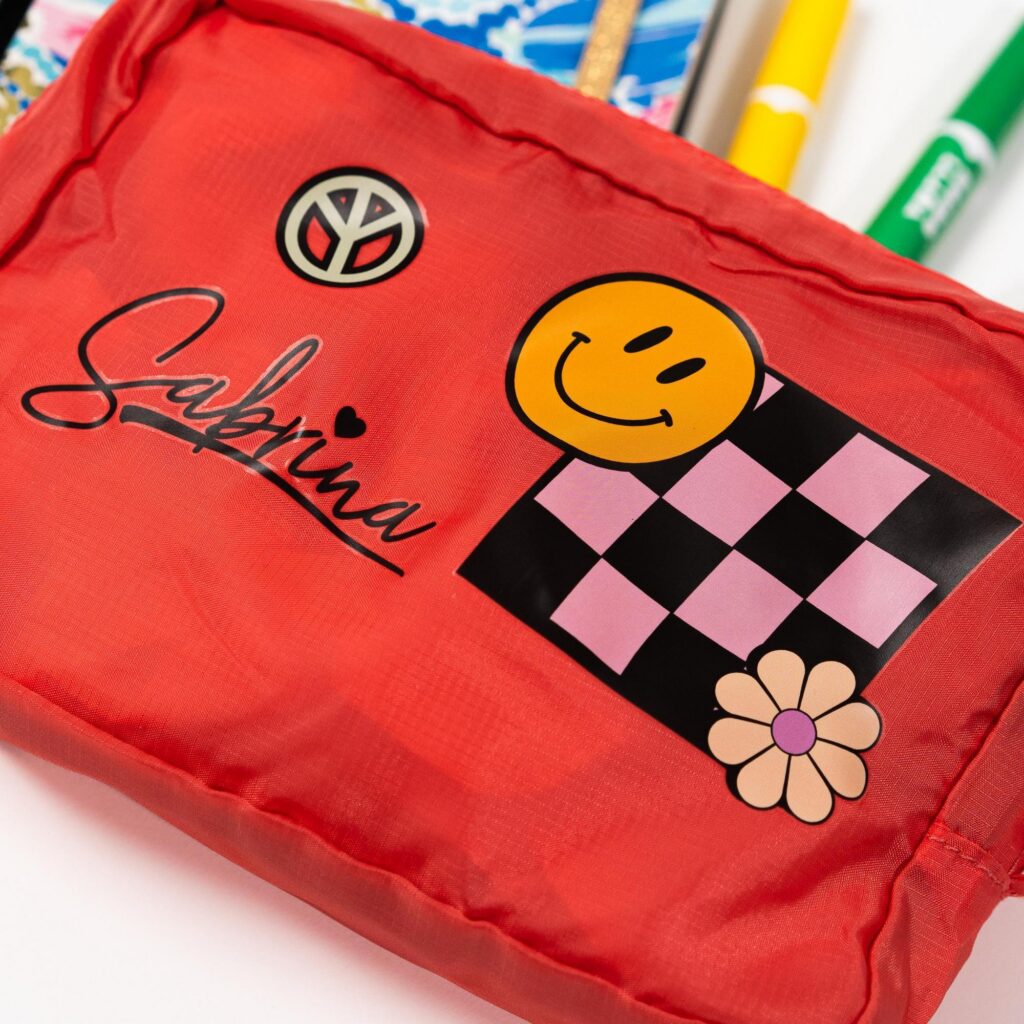
Hybrid transfers combine the best of two worlds: digitally printed graphics and screen printed adhesive.
This combination allows you to print full-color designs like gradients, shading, and photo-quality artwork while staying more cost-effective than direct to film transfers, particularly for higher-quantity orders. You get the flexibility of digital printing with the efficiency of screen printing.
What Are Digitally Printed Transfers?
Digitally printed transfers use CMYK colors and a digital printing process, similar to how an inkjet printer works. Unlike traditional screen printing, which relies on spot colors, digital printing does not charge per color.
What does that mean for you?
- Full-color designs are easy and affordable
- No extra fees for complex artwork
- Perfect for logos, illustrations, and detailed graphics
This makes digitally printed transfers a go-to option for modern apparel decoration, especially when creativity and customization matter.
What Makes Transfers “Hybrid”?
A hybrid transfer starts with a digitally printed image, but instead of using a powder adhesive like direct to film, the design is paired with a screen printed adhesive layer.
That screen printed adhesive is the key difference and the reason hybrid transfers shine in larger runs. Screen printing excels at efficiency, which helps keep costs down as quantities increase. The result is a full-color transfer that is designed to scale with your business.
How Are Hybrid Transfers Different Than Direct to Film?
Hybrid transfers and direct to film transfers can look similar at first glance, but there are a few important differences to consider.
Adhesive Application
- Hybrid transfers use a screen printed adhesive
- Direct to film transfers use a powder adhesive applied during the printing process
Cost Efficiency
- Hybrid transfers are typically more cost-effective for higher quantities (25+)
- Direct to film transfers can become more expensive as order sizes increase
Appearance and Finish
- Some hybrid transfers may have a subtle clear outline of adhesive around the design
- Direct to film transfers usually have a cleaner, tighter edge
Neither option is better across the board. It really comes down to what your project needs most.
Which One Should I Use for My Project?
Choosing between hybrid transfers and direct to film depends on a few key factors: your budget, how many items you’re decorating, and the look you want to achieve.
Hybrid transfers are a great choice when:
- You are producing full-color designs
- Your order is 25 pieces or more
- Cost per print is a top priority
Direct to film may be the better option when:
- Your design is extremely detailed
- You want the cleanest possible edge
- You are working with smaller quantities
If you are still unsure, you do not have to guess.
Need Help Deciding?
The Transfer Express Transfer Selector Tool makes it easy to compare hybrid transfers, direct to film, and other heat printing options. Just plug in your project details and get a recommendation tailored to your needs so you can decorate with confidence.
The Bottom Line
Hybrid transfers are a powerful option for decorators who want full-color graphics without sacrificing profitability. By combining digitally printed designs with screen printed adhesive, they deliver vibrant results at a more cost-effective price point, especially for higher-quantity orders.
If you are looking to scale your heat printing business while keeping costs under control, hybrid transfers are definitely worth a closer look.