Heat transfer vinyl (HTV) may not be the newest decoration method on the market, but it continues to be one of the most valuable tools a t‑shirt business can have, especially for personalization, fast turnarounds, and premium upgrades. In this guide, we’ll break down what HTV is, how it works, and why it still deserves a place in your shop.
- What is HTV?
- How to Cut and Apply HTV
- Printing Multi-Color Designs
- Using HTV for Print on Demand
- Premium Apparel with HTV
What is HTV?
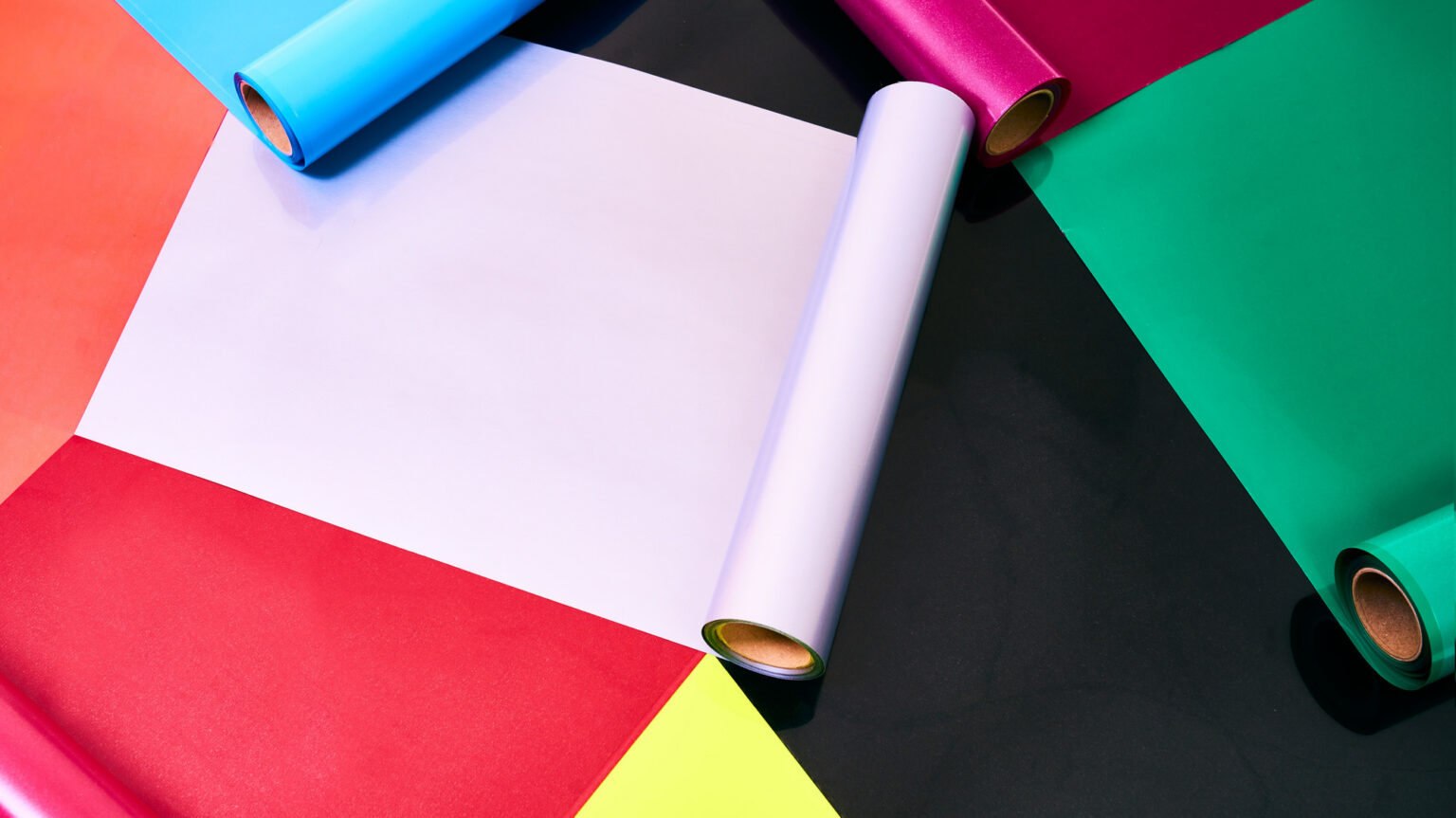
Heat transfer vinyl (HTV) is a traditional method of decorating garments using a heat press. HTV typically comes on a roll, with a clear plastic carrier sheet on one side and heat‑activated adhesive vinyl on the other.
Designs are cut into the vinyl using a vinyl cutter, then weeded so only the desired artwork remains on the carrier sheet. The transfer is placed onto the garment and heat applied to bond the vinyl permanently to the fabric.
While HTV isn’t always ideal for large production runs, it remains an essential tool for many decorators because it allows you to:
- Print on demand
- Offer one‑off and personalized designs
- Add specialty finishes and textures
- Say yes to last‑minute or rush orders
How to Cut and Print HTV
Step One: Cut the Material
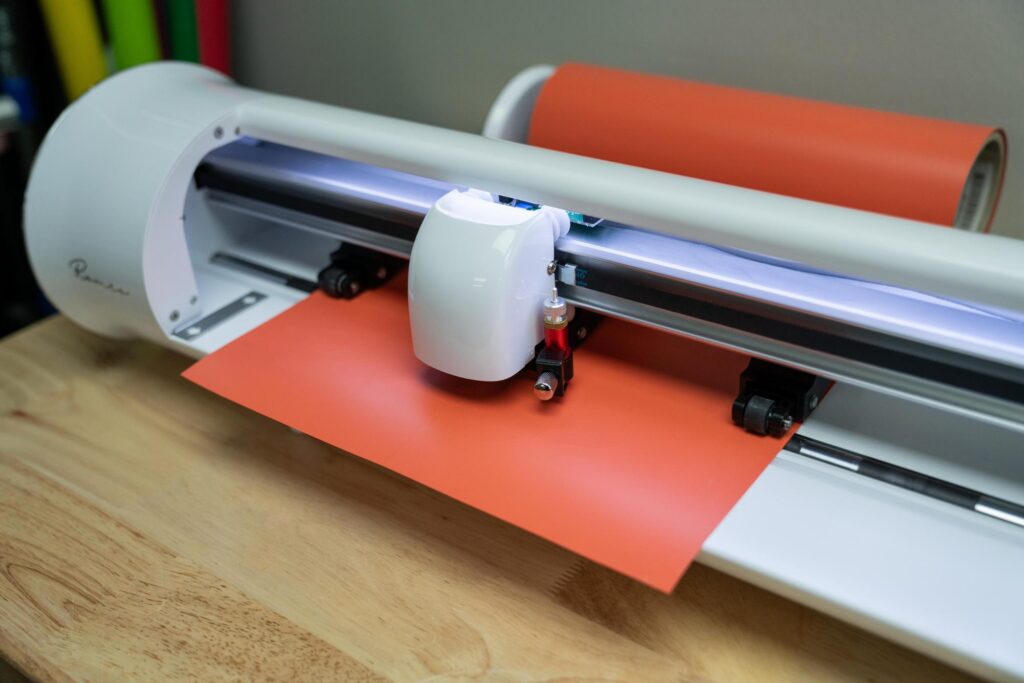
To get started, you’ll need a vinyl cutter. Load your roll of HTV into the cutter with the carrier side down and the adhesive side up. Because of this orientation, your design must be mirrored before cutting (some cutters have automatic mirror settings).
Once set, send your artwork to the cutter and let it cut only through the vinyl layer, not the carrier. For best results, follow the cut settings from the HTV manufacturer.
Step Two: Weed the Material
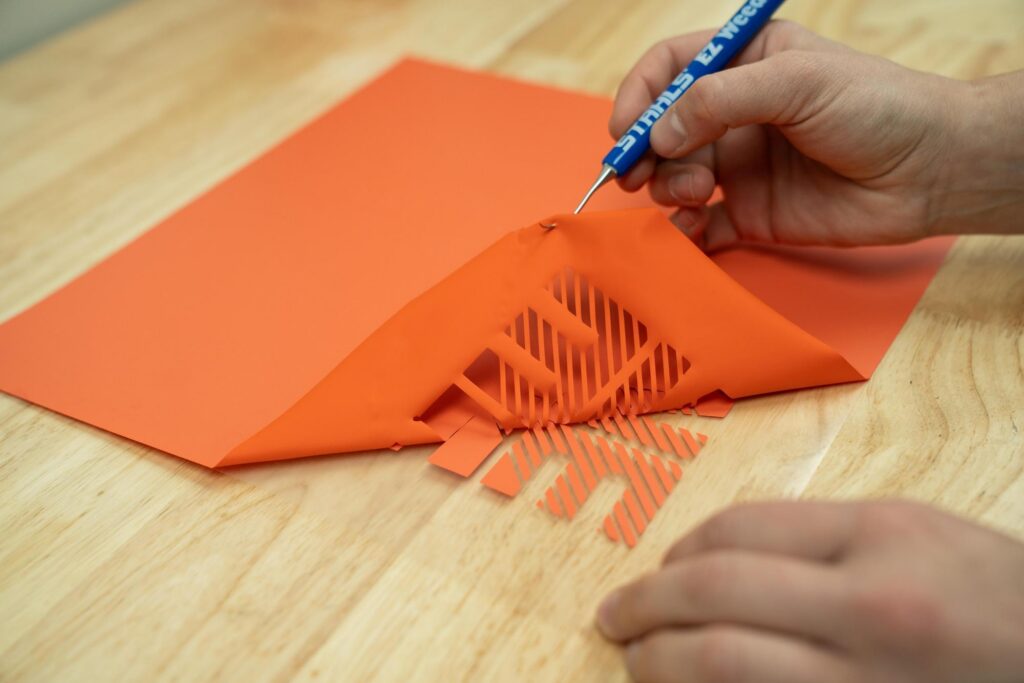
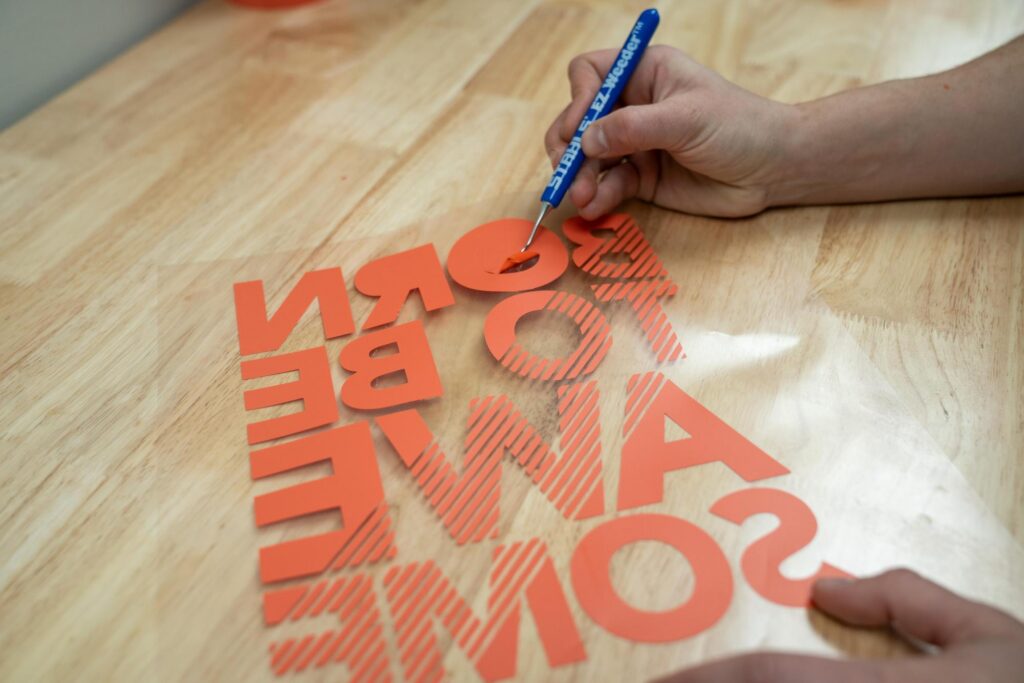
After cutting, remove the excess vinyl to reveal your design. Using a weeding tool, peel away the unwanted material from the carrier sheet. Be sure to remove vinyl from any interior spaces in your artwork, such as inside letters or logos with negative space.
Step Three: Heat Apply
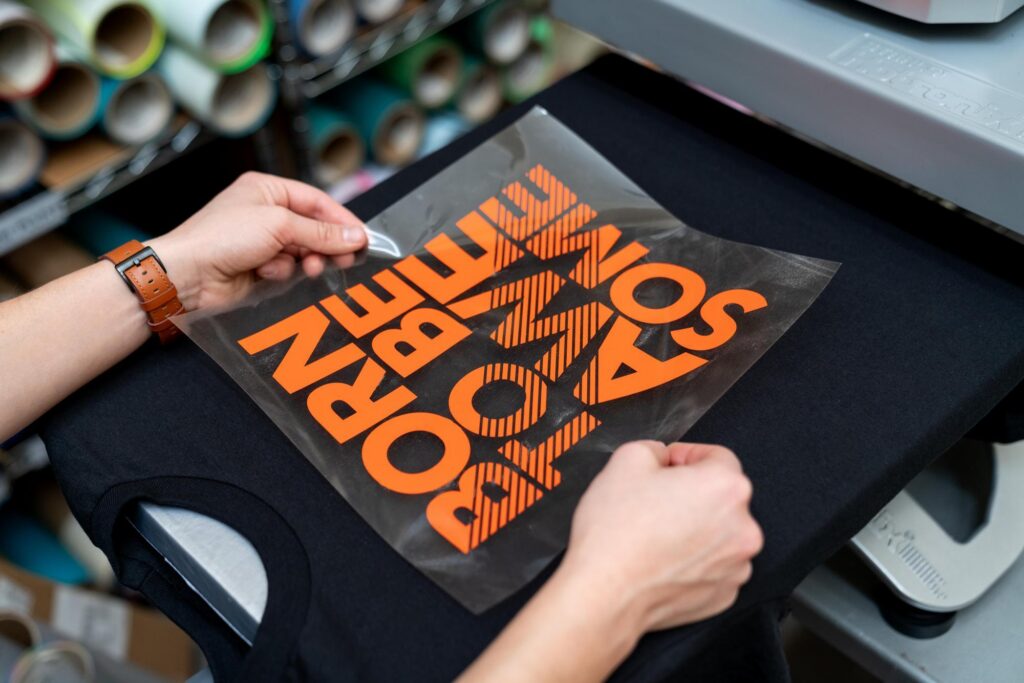
Position your weeded transfer onto the garment, then place it on your heat press. Apply heat using the manufacturer’s recommended time, temperature, and pressure settings.
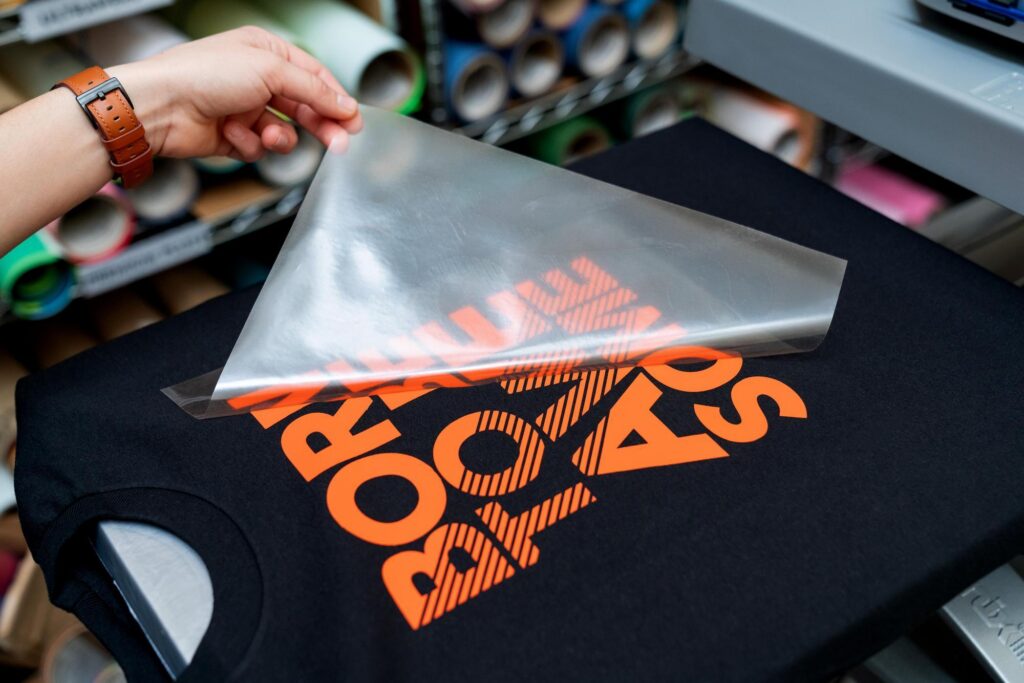
After pressing, peel the carrier sheet away according to the vinyl’s instructions. Some HTV types are hot peel, while others are cold peel, meaning you’ll need to let the transfer cool completely before removing the carrier to prevent lifting.
Always double‑check application instructions to ensure proper adhesion and long‑lasting results.
Printing Multi‑Color HTV Designs
For designs with more than one color, each color must be cut separately and layered during application. This can be done by:
- Layering colors directly on top of one another, or
- Cutting designs so colors fit together like a puzzle
For full‑color designs (typically three or more colors), printable HTV is often the better option. Printable HTV allows you to digitally print your artwork and then contour‑cut it, but it requires a print‑and‑cut machine.
If you don’t have the equipment in‑house, you can also order printed and cut transfers ready to apply.
Using HTV for Print‑on‑Demand Jobs
HTV may not be the fastest solution for high‑volume runs due to cutting and weeding time, but it’s incredibly useful for print‑on‑demand production.
Having vinyl rolls and a cutter in‑house allows you to:
- Handle same‑day or rush orders
- Offer last‑minute add‑ons without waiting on transfers
- Avoid screen setup or transfer minimums
- Eliminate shipping costs for one‑off designs
When a customer needs just one name, number, or design applied immediately, heat transfer vinyl lets you say yes while still turning a profit.
Increasing Apparel Value
Heat transfer vinyl is a powerful way to add premium value to decorated apparel. Specialty vinyl options include:
- Glitter
- Metallics
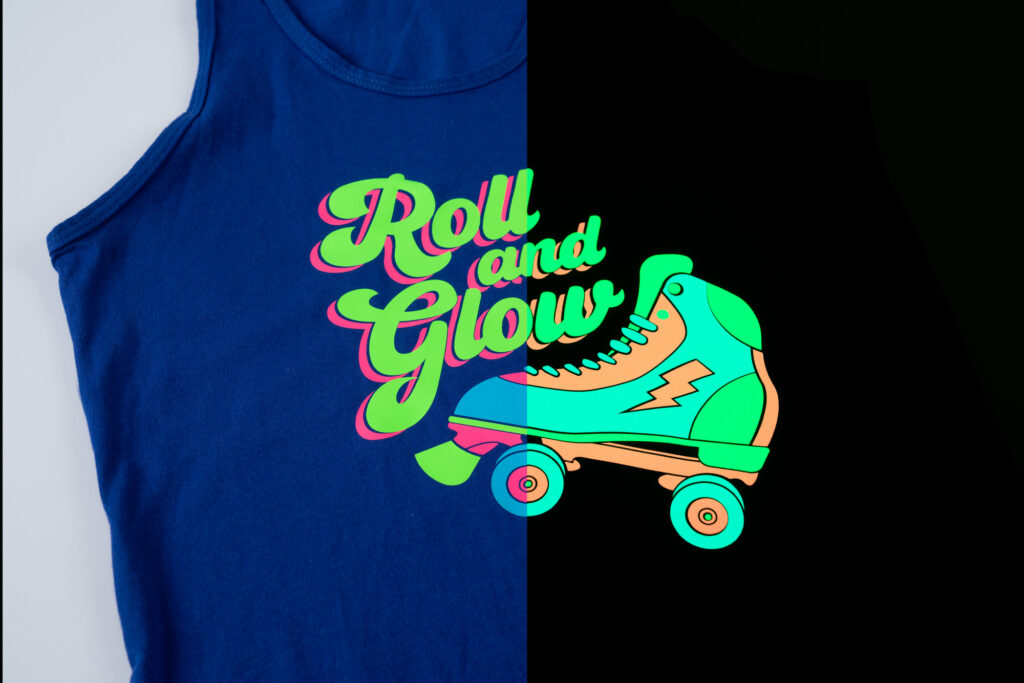
- Glow‑in‑the‑dark
- Flock
- Reflective finishes
These textures and effects aren’t always achievable with screen printing or standard heat transfers, making HTV an excellent upsell option. You can highlight portions of a design or offer entire logos in specialty finishes to create high‑impact garments.
It’s also ideal for personalization, such as names, numbers, or custom placements—features customers are often willing to pay more for.
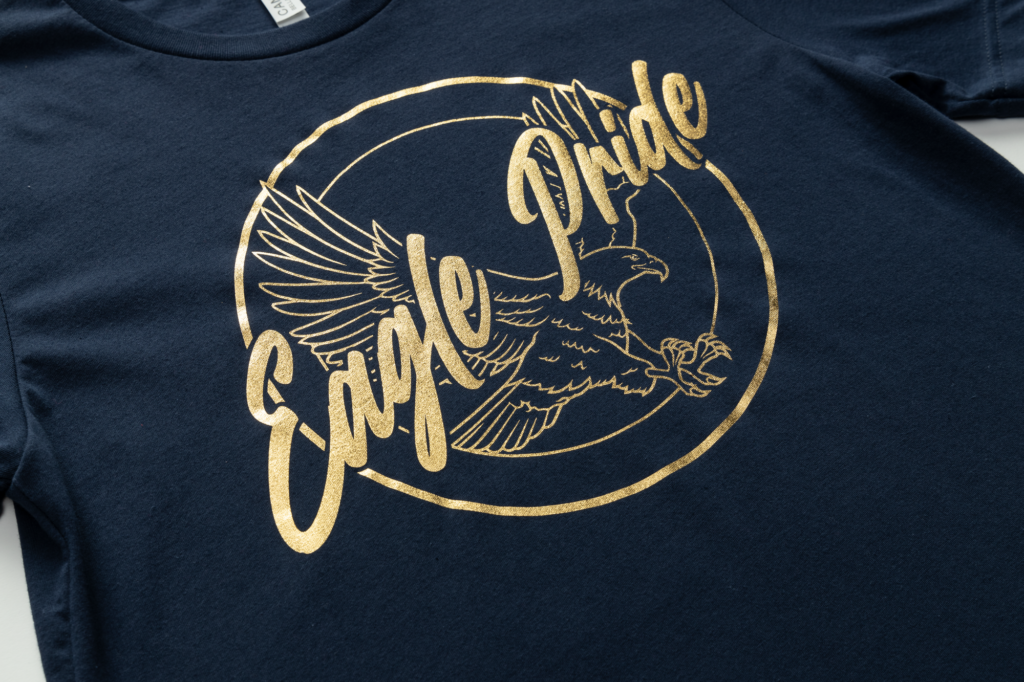
While decoration methods continue to evolve, heat transfer vinyl remains a reliable and versatile solution for today’s t‑shirt businesses.
Looking to add HTV to your decoration lineup? Browse our starter packages below for everything you need to get started, or explore our full selection of heat transfer vinyl finishes.